

4 elements
RN-009Pro-8CH-BD-WG-DT
Compact GNSS Anti-Jamming Terminal
- Channels
- 8
- Dimensions
- 150 × 130 × 26.5 mm
PRODUCT CATALOG
Browse the verified ResiNav catalogue by antenna element count, then confirm receiver, interface and installation requirements with engineering.
PRODUCT TYPES
Start with the published product family, then compare the documented configuration details for your integration.
PRODUCT SELECTION
Choose an element-count group to make a first-pass comparison. Final suitability remains subject to engineering review.
Element count is a browsing aid only. Confirm receiver architecture, supported bands, channels, installation and platform interfaces before requesting a configuration.
8 products match the published catalogue
4 elements
Compact GNSS Anti-Jamming Terminal

4 elements
Compact Multi-Constellation GNSS Anti-Jamming Terminal

8 elements
8-Element Multi-Constellation GNSS Anti-Jamming Terminal
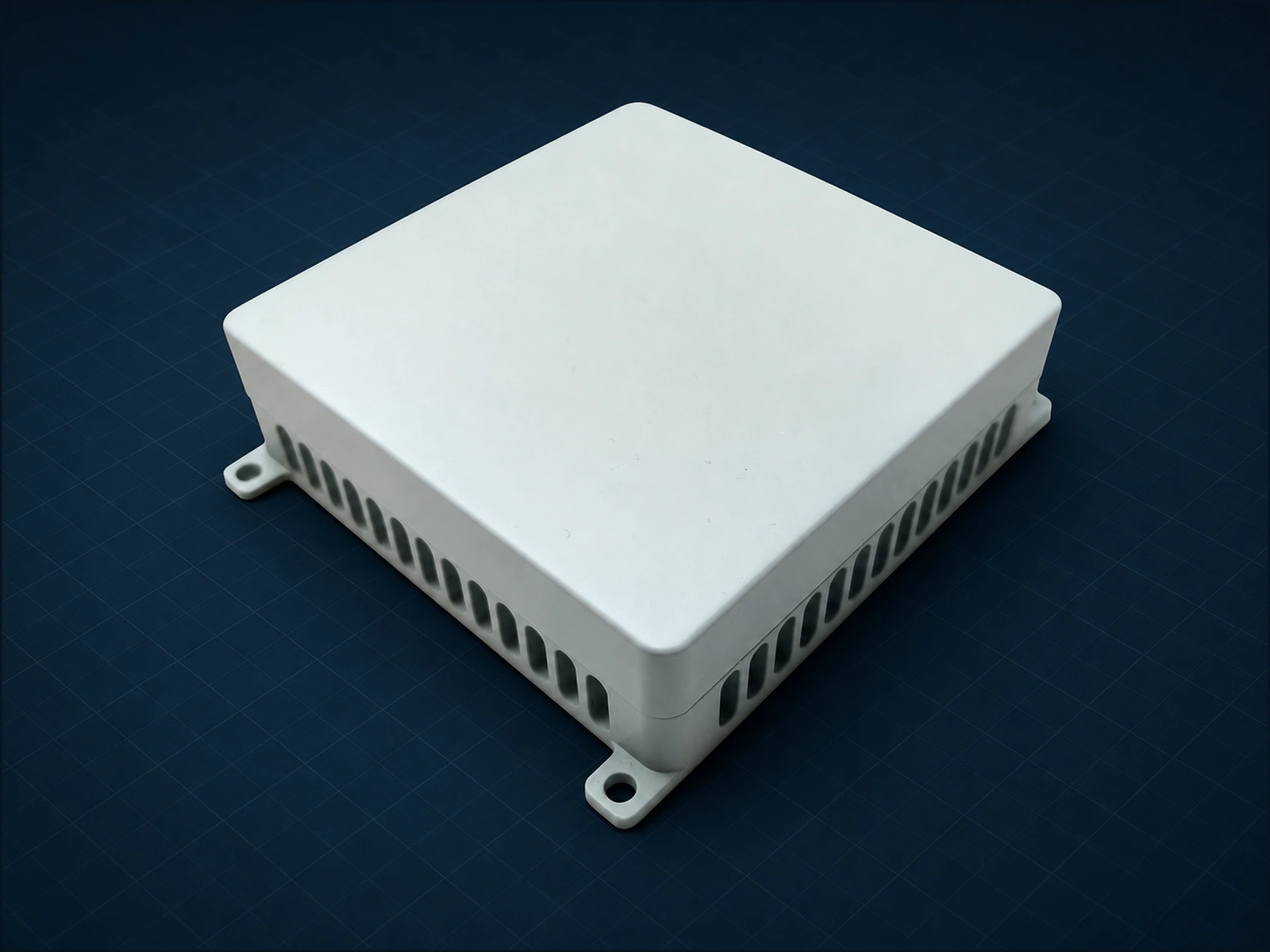
4 elements
Compact 4-Element GNSS Anti-Jamming Terminal
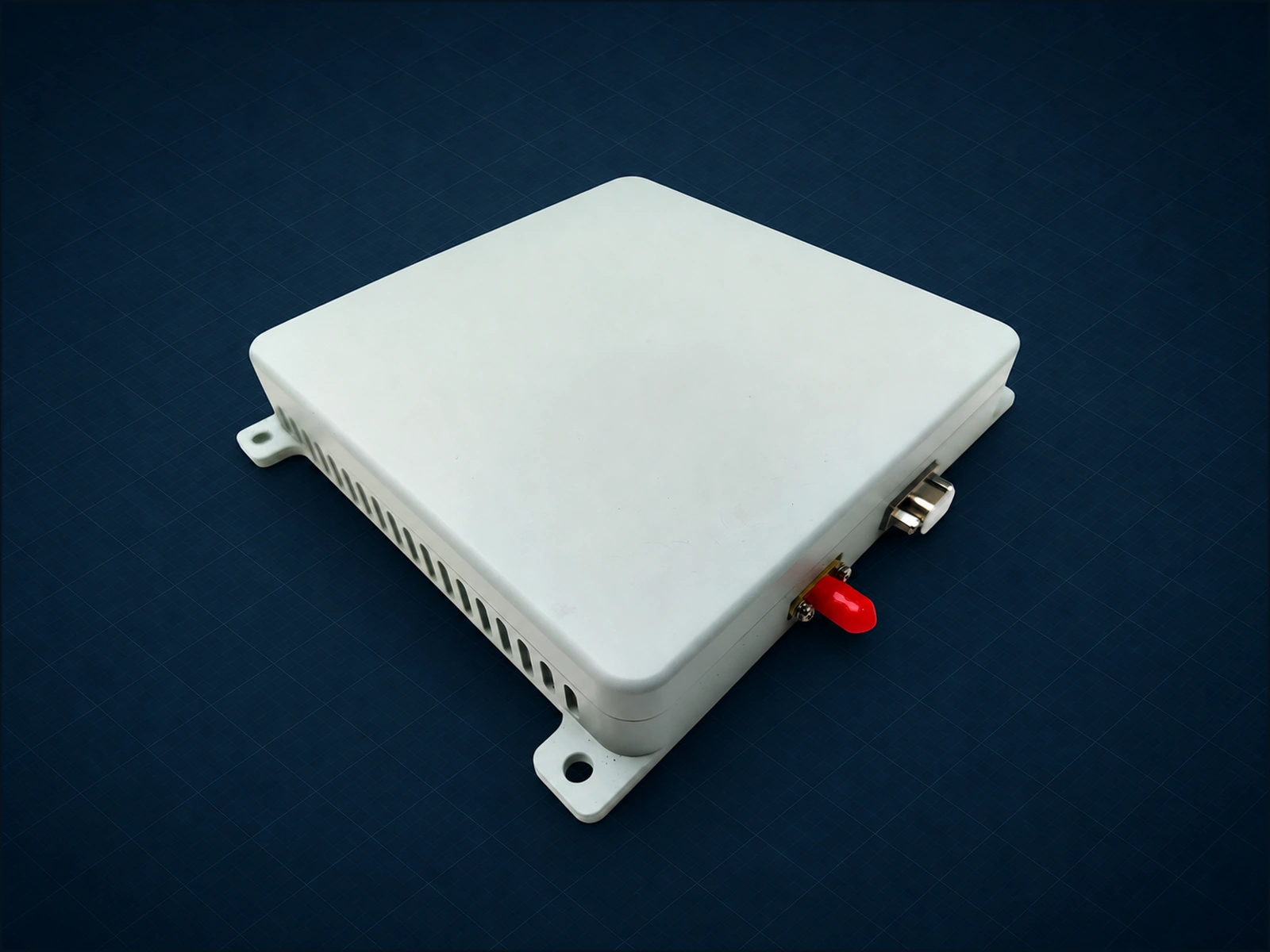
4 elements
4-Element GNSS Anti-Jamming and Anti-Spoofing Terminal
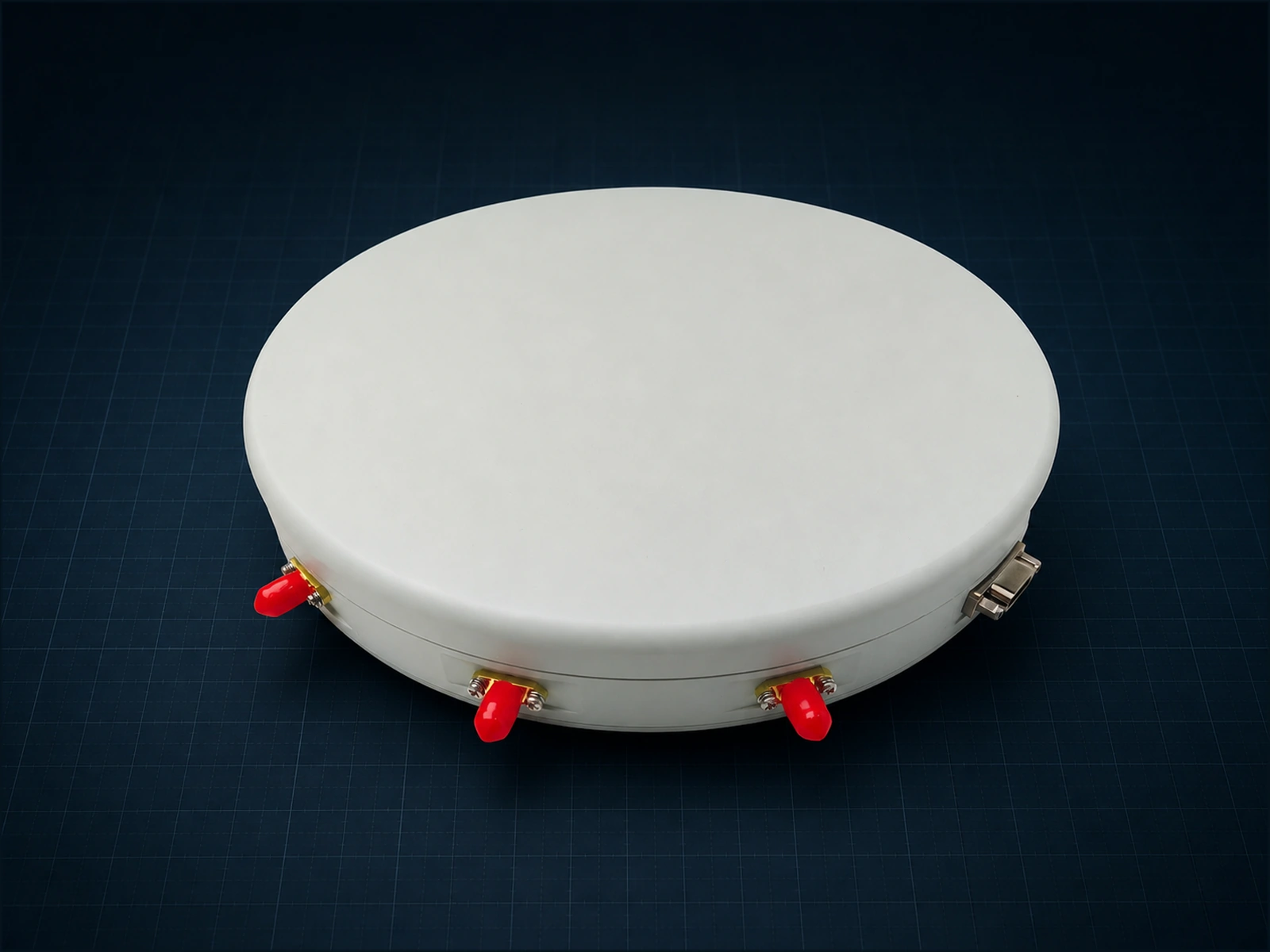
7 elements
7-Element Multi-Constellation GNSS Anti-Jamming Terminal

16 elements
16-Element Multi-Constellation GNSS Anti-Jamming Terminal
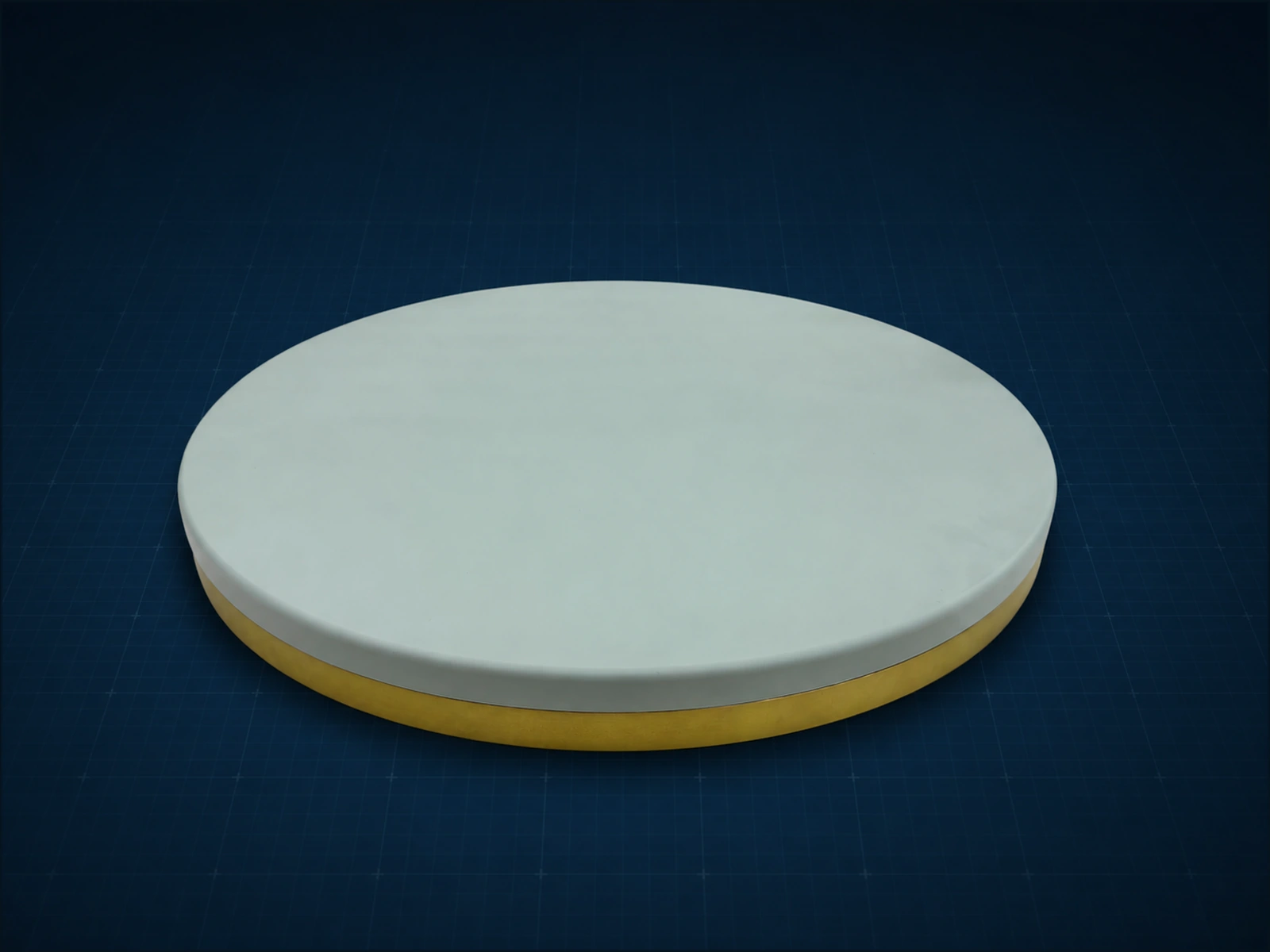
16 elements
16-Element GNSS Anti-Jamming and Anti-Spoofing Terminal
Element count and channel count help engineers organise a first-pass comparison, but they do not prove that a product is suitable for a platform. A useful selection process begins with the receiver, the required constellations and frequency bands, the available mounting area, the RF and power interfaces, and the evidence the project team expects during evaluation.
ResiNav currently publishes anti-jamming terminals and independent anti-jamming and anti-spoofing product versions. The public catalogue records the parameters that can be compared without inference. Where a field is not published, treat it as an open engineering question rather than filling the gap from a similar model.
Record the receiver model or architecture, the constellations and bands required by the project, and whether the navigation chain expects an RF output, navigation data or another interface boundary. A product name that looks similar to an existing system is not enough to establish compatibility.
Anti-jamming and anti-spoofing address different failure modes. If anti-spoofing is part of the requirement, state what the project expects to detect, report or validate. Do not assume that every anti-jamming terminal includes the same anti-spoofing behaviour.
Provide the available mounting envelope, antenna view of the sky, nearby conductive structures, cable route, connector access and service-clearance limits. The published dimensions help eliminate obvious mismatches, but a dimension alone does not confirm that a mounting arrangement is acceptable.
Identify the available supply, grounding approach, cable lengths, receiver input expectations and downstream data use. The antenna, terminal, receiver and platform controller form one system boundary. Treat each undocumented interface as an item for confirmation.
Before requesting samples or a quotation, agree on the evidence needed by the project team. Typical inputs include the applicable datasheet revision, mechanical drawing, interface information, configuration record, bench-test plan and acceptance criteria. These items make a supplier response easier to compare and reduce late-stage assumptions.
Use the GNSS anti-jamming RFQ checklist when several teams need to collect these inputs before contacting a supplier.
The same published product may face different installation and interface questions on a vehicle, vessel, robot or custom OEM platform. Review the relevant application guide before treating a catalogue match as a project recommendation.
No. Element count is one architecture input. The required signals, receiver, interfaces, installation envelope, platform environment and evaluation criteria still need to be considered together.
No. Products in the same element-count group can differ in channel architecture, supported signals, mechanical dimensions, interfaces and product scope. Compare the current verified record for each model.
List it as an open item and request the applicable documentation. Do not infer an unpublished value from another model or from a third-party listing.
Include the platform, receiver, required signals, installation constraints, interfaces, environmental requirements, quantity, schedule and the evidence needed for technical acceptance. This gives engineering a defined boundary for the review.
Send the available receiver and platform information to ResiNav. The team can compare it with the published product configurations, identify unresolved interface or installation questions, and confirm what documentation is available for the next stage.
Request a quote and engineering review · Review the integration method