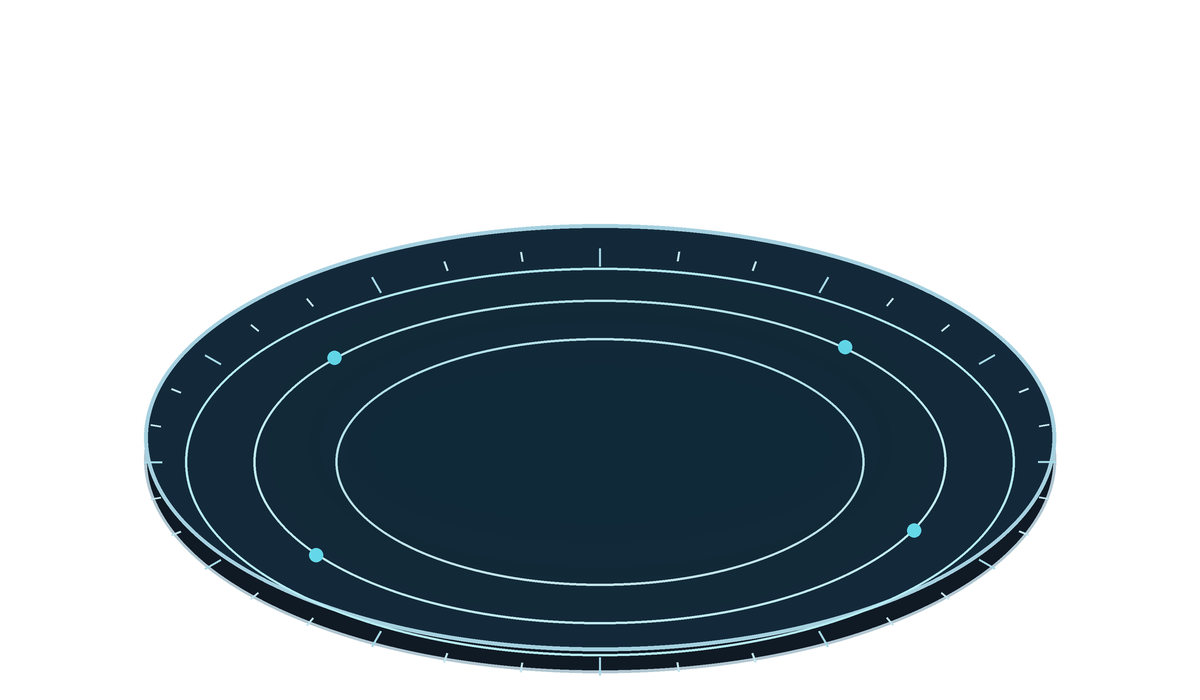

16 элементов
RN2511-16A-SNB
16-элементный многосозвездный GNSS-терминал защиты от помех
- Каналы
- 16
- Диапазоны
- GPS L1; Galileo E1; BDS B1
- Размеры
- 230 × 230 × 24 mm
КАТАЛОГ ПРОДУКЦИИ
Explore anti-jamming terminals and anti-jamming and anti-spoofing product versions. Compare the published configurations, open a product record or contact ResiNav even if your model is not yet decided.
PRODUCT TYPES
Start with the published product family, then compare the documented configuration details for your integration.
ПОДБОР ПРОДУКЦИИ
Use the filters to shorten the list, then open a product record for its published signals, dimensions and documentation.
Element count is a browsing aid, not a performance ranking or a prerequisite for getting in touch.
2 products match the selected filters
Filters: 16 elements
16 элементов
16-элементный многосозвездный GNSS-терминал защиты от помех
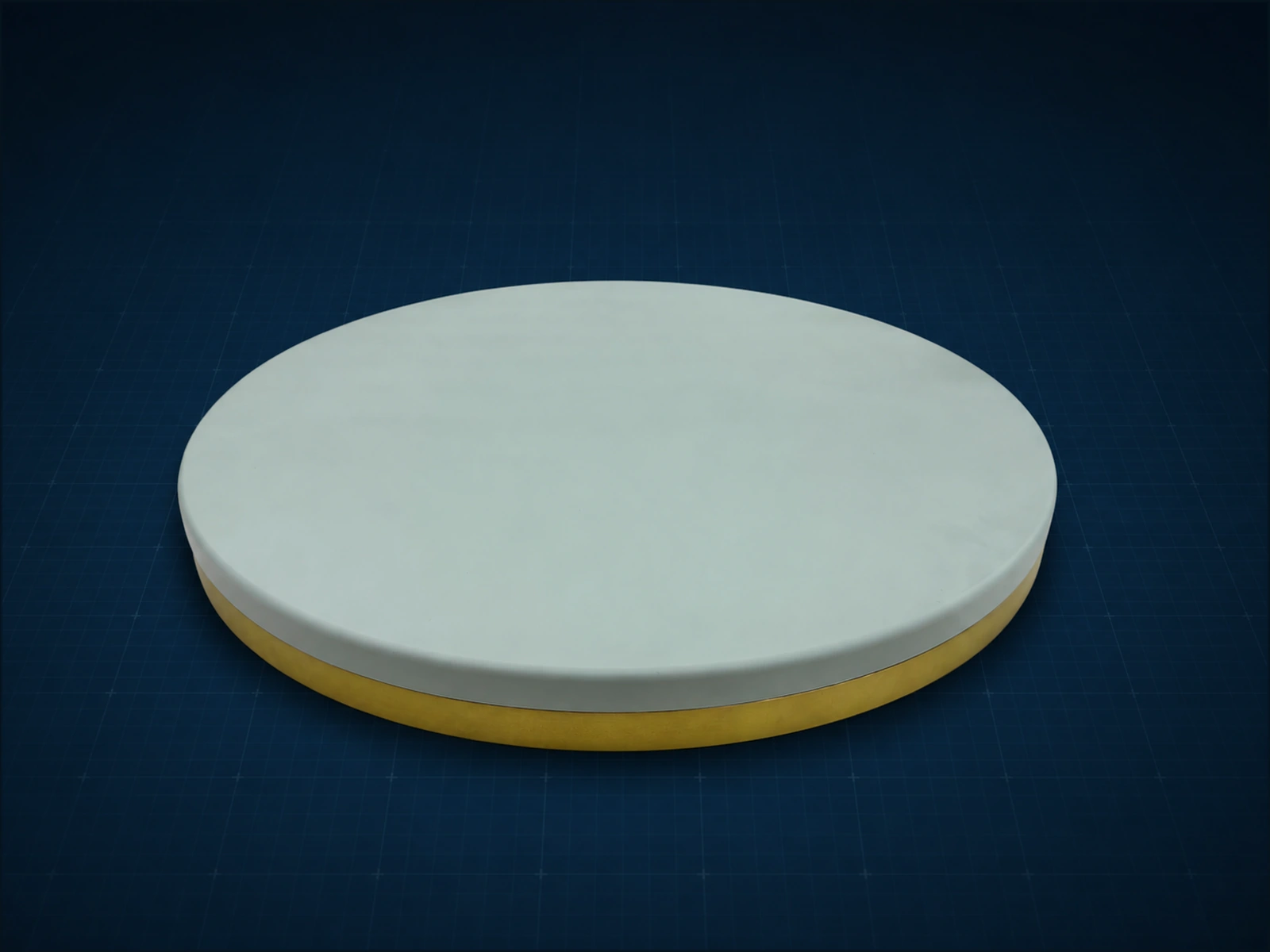
16 элементов
16-элементный GNSS-терминал защиты от помех с защитой от спуфинга
Element count and channel count help engineers organise a first-pass comparison, but they do not prove that a product is suitable for a platform. A useful selection process begins with the receiver, the required constellations and frequency bands, the available mounting area, the RF and power interfaces, and the evidence the project team expects during evaluation.
ResiNav currently publishes anti-jamming terminals and independent anti-jamming and anti-spoofing product versions. The public catalogue records the parameters that can be compared without inference. Where a field is not published, treat it as an open engineering question rather than filling the gap from a similar model.
Use the published product limits to make a first shortlist. The linked model records and English datasheets remain the sources for the full specifications. Elements and channels describe a configuration; they do not rank interference performance.
| Model and product role | Published signals | Elements / channels | Product dimensions | Weight limit | Power limit |
|---|---|---|---|---|---|
| RN-009Pro-8CH-BD-WG-DT Anti-jamming terminal |
BeiDou and GPS; exact band labels not published | 4 / 8 | 150 × 130 × 26.5 mm | ≤500 g | ≤17 W* |
| RN-009Pro-8CH-G1-WG-DT Anti-jamming terminal |
BDS B1; GPS L1; GLONASS G1 | 4 / 8 | 150 × 130 × 21 mm | ≤400 g | ≤12 W* |
| RN-8AT-FULL-KGR-34V Anti-jamming terminal |
GPS L1; GLONASS G1 | 8 / not published | 150 × 150 × 22.5 mm | ≤720 g | ≤19 W* |
| RN-S65-4CH-SNB Anti-jamming terminal |
GPS L1; BDS B1 | 4 / 4 | 65 × 65 × 21 mm | ≤130 g | ≤6 W* |
| RN2501-AJS-4CH-DPA Anti-jamming + anti-spoofing version |
BDS B1; GPS L1 | 4 / 4 | 150 × 130 × 22 mm | ≤520 g | ≤13 W* |
| RN2504-3T7A21C-WG-DT Anti-jamming terminal |
BDS B1; GPS L1; GLONASS G1; Galileo E1 | 7 / not published | Ø220 × 29.5 mm | ≤1,200 g | ≤25 W* |
| RN2511-16A-SNB Anti-jamming terminal |
GPS L1; Galileo E1; BDS B1 | 16 / 16 | 230 × 230 × 24 mm | ≤1,250 g | ≤25 W† |
| RN2512-AJS-16CH-DPA Anti-jamming + anti-spoofing version |
BDS B1; GPS L1 | 16 / 16 | Ø370 × 28.7 mm | ≤2,600 g | ≤40 W* |
* The linked English datasheets state these power limits at normal temperature. † RN2511's English datasheet states ≤25 W without a temperature condition. Weight and size are product figures, not installed-assembly figures. A limit above your budget does not prove actual consumption or mass is above that budget; it means the public upper bound alone cannot establish compliance.
Open a linked model record for its full specifications and English datasheet. The existing Product Selection Guide download above the cards remains available for internal sharing.
Illustrative screen, not a project specification: suppose the required published signals are BDS B1 and GPS L1, the product body must fit within a 160 × 150 mm plan area, and the procurement record needs published upper bounds of 600 g and 15 W at normal temperature. Three ResiNav records document values within all four screens: RN-S65-4CH-SNB (65 × 65 mm; ≤130 g; ≤6 W), RN-009Pro-8CH-G1-WG-DT (150 × 130 mm; ≤400 g; ≤12 W), and RN2501-AJS-4CH-DPA (150 × 130 mm; ≤520 g; ≤13 W). These are documented first-screen candidates, not interchangeable or receiver-approved configurations.
This initial screen does not assess product height, mounting hardware, connector access or cable clearance.
If an anti-spoofing product version is required, RN2501 is the only one of those three published with that role. If GLONASS G1 must also appear in the public record, the G1 terminal documents it, but its public product role is anti-jamming only. The published records used here do not establish one option that meets both additional requirements; ask about the exact proposed configuration rather than inferring support or non-support from silence. A receiver match, installed mass, accessories and power outside the stated temperature condition remain separate decisions.
Ask ResiNav about the shortlisted model or your application. An estimated quantity and known requirements are enough to start; the existing detailed project brief can follow when a technical review is needed.
Once a model is shortlisted, the GNSS anti-jamming RFQ checklist can help several teams align on the receiver, interfaces, installation and evaluation evidence. It is optional preparation for a later technical review, not a condition for first contact.
The same published product may face different installation and interface questions on a vehicle, vessel, robot or custom OEM platform. Review the relevant application guide before treating a catalogue match as a project recommendation.
No. Element count is one architecture input. The required signals, receiver, interfaces, installation envelope, platform environment and evaluation criteria still need to be considered together.
No. Products in the same element-count group can differ in channel architecture, supported signals, mechanical dimensions, interfaces and product scope. Compare the current verified record for each model.
List it as an open item and request the applicable documentation. Do not infer an unpublished value from another model or from a third-party listing.
Yes. Share the model or application you are considering, an estimated quantity and any requirements already known. The model and technical details can be discussed later.
Tell ResiNav what you are considering and what you already know. A model is helpful but not required; detailed configuration questions can follow the first exchange.
Contact ResiNav about your project · Explore the integration method